

The Elegant History of Shelley China: Spotlight on the Dainty Series
Shelley china holds a distinguished place in the history of English bone china, recognized for its thin surface, translucent quality, and surprising durability. Among its extensive collection, the Dainty series became one of Shelley's most successful designs, remaining in continuous production for 70 years until the close of the company in 1966. Today, these exquisite china pieces remain treasured by collectors and enthusiasts around the world for their refined artistry.

A Legacy of Fine Craftsmanship
The story of Shelley China begins in the 1820s in Staffordshire, England, where the company (originally known as Wileman & Co.) established itself as a producer of exquisite bone china pieces. The pottery was known for crafting thin yet strong china items, with smaller pieces like cups and saucers made of fine bone china. The company would later be officially renamed Shelley in 1910 after Percy Shelley took over the business. What distinguished Shelley from its competitors was its mastery of creating extraordinarily delicate yet durable pieces that were noticeably thinner than those of other manufacturers, while still maintaining structural integrity. Over the decades, they produced thousands of different patterns, with each cup design given its own unique name such as Bute, Ovide, and the ever-popular Dainty shape.
The Cherished Dainty Shape
The Dainty shape—introduced in 1896 and the very quintessence of Shelley china—remains the brand’s most iconic and enduring design. Celebrated for its refined elegance, it features six gently fluted panels forming a scalloped rim with delicate handles. Crafted from fine bone china, the Dainty shape is lightweight, durable, and renowned for its translucency. Versatile in its use, this shape spans teacups, saucers, plates, bowls, creamers, and serving dishes.

The popular Dainty White shape was designed by Rowland Morris and sold to Percy Shelley in the late 19th century. This elegant design remained in production from its introduction in 1896 right through to the closure of the works in 1966, when Shelley China was taken over by Allied Potteries, making it Shelley's longest-running design.

Dainty White Tea Collection
Dainty Blue: A Classic Treasure
Dainty Blue, identified by pattern number 051/28, features the elegant Dainty shape adorned with blue flowers and a coordinating blue trim. This understated yet sophisticated pattern exemplifies the Shelley aesthetic – refined, delicate, and impeccably crafted.
The pattern's popularity has endured over the decades, with collectors particularly appreciating its versatility and appeal. Dainty Blue pieces work beautifully in both traditional and contemporary settings, making them not just collector's items but functional pieces that can be enjoyed in everyday life.

The Dainty Color Series: A Rainbow of Elegance
The Dainty shape was produced in several color variations, creating a beautiful spectrum that collectors eagerly seek. Among these, Dainty Blue (pattern 051/28) and Dainty Pink (051/P) are particularly well-represented in collections, with Dainty Mauve also being a notable variant. However, the series was more expansive than many realize, with additional colors including Orange, Black, Yellow, Green, Brown, and Turquoise variants that are both rare and prized by specialists.
Each variation maintained the same elegant Dainty shape while offering different colored trims and coordinating floral patterns. These colored variations offered collectors and consumers options to match their personal preferences and home décor, contributing to the enduring popularity of the Dainty series. The distinctive colored borders provided a perfect frame for the delicate bone china, creating pieces that were both functional and visually appealing. The Dainty White version, without colored trim, represented the purest expression of the Dainty shape and was Shelley's longest-running design, remaining in production from 1896 until the company's closure in 1966.

Shelley Dainty Series, including Shelley Dainty Blue, Dainty Pink, Dainty Mauve, Dainty Green, Dainty Yellow, Dainty Orange, Dainty Turquoise, and Dainty Brown

Rare Shelley Dainty Black tea cup and saucer
Collecting Shelley China Today
Today, Shelley china, particularly pieces in the Dainty shape, continues to be highly valued by collectors. The craftsmanship, artistry, and limited availability (due to the company's closure in 1966) combine to make these pieces both beautiful and valuable.
For those interested in starting or expanding a Shelley collection, it's worth noting that pieces come with various markings and backstamps that help identify their age and authenticity. The most valuable pieces tend to be complete sets in excellent condition, rare patterns, and items from the Art Deco period.

Shelley china backstamps from 1883 to the 1960's
Whether displayed in a cabinet or used for a special afternoon tea, Shelley's Dainty series stands as a testament to the exceptional quality of fine English bone china. These delicate yet durable pieces connect us to a tradition of craftsmanship that, though no longer in production, continues to enrich tables and collections worldwide.

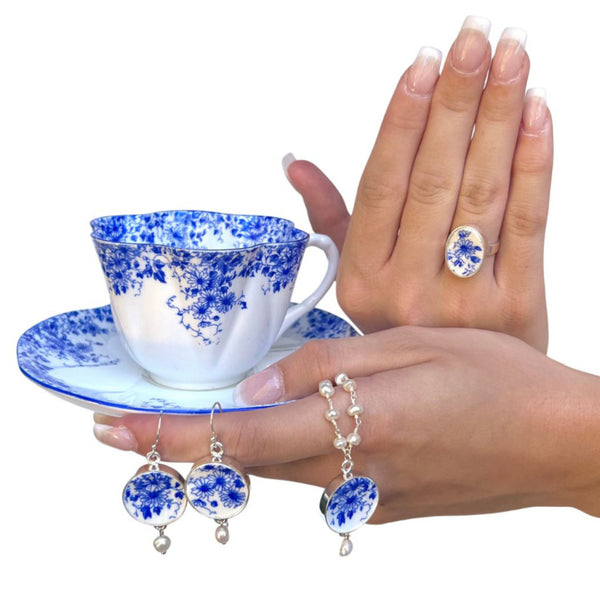
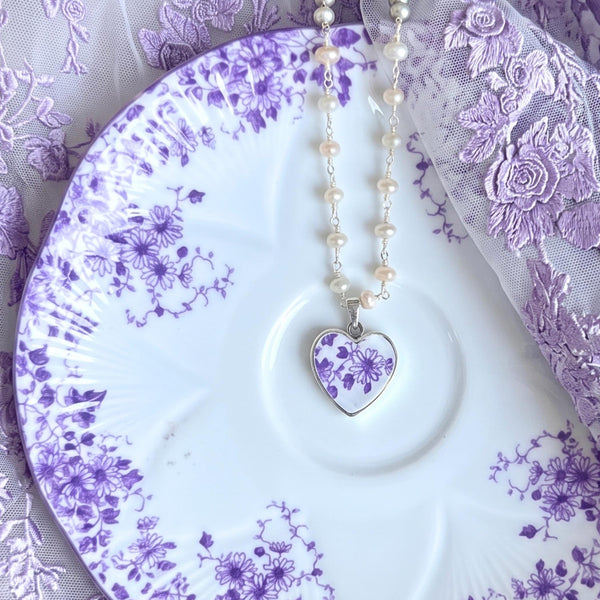
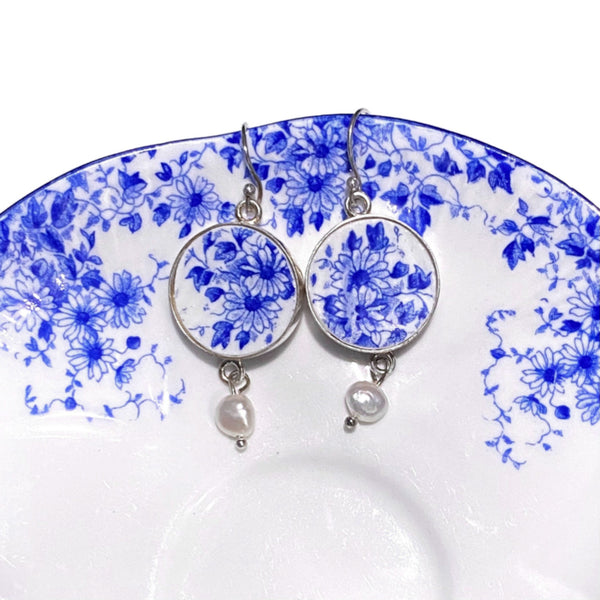
eclectiQuas Shelley Dainty Broken China Jewelry collection
eclectiQuas: From Fine China to Broken China Jewelry
Inspired by the beauty and intricate designs of vintage Shelley china, eclectiQuas creates elegant broken china jewelry that reimagines and gives new purpose to this treasured pattern. Each handcrafted pendant necklace, earring, and adjustable ring combines vintage porcelain with sterling silver settings and quality embellishments, such as lustrous freshwater pearls and Swarovski crystal elements. These distinctive designs transform traditional china into heirloom jewelry meant to be treasured for generations. Versatile for any occasion, eclectiQuas jewelry lets you bring the beauty of the Shelley Dainty china patterns into your everyday style.
1 comment
James